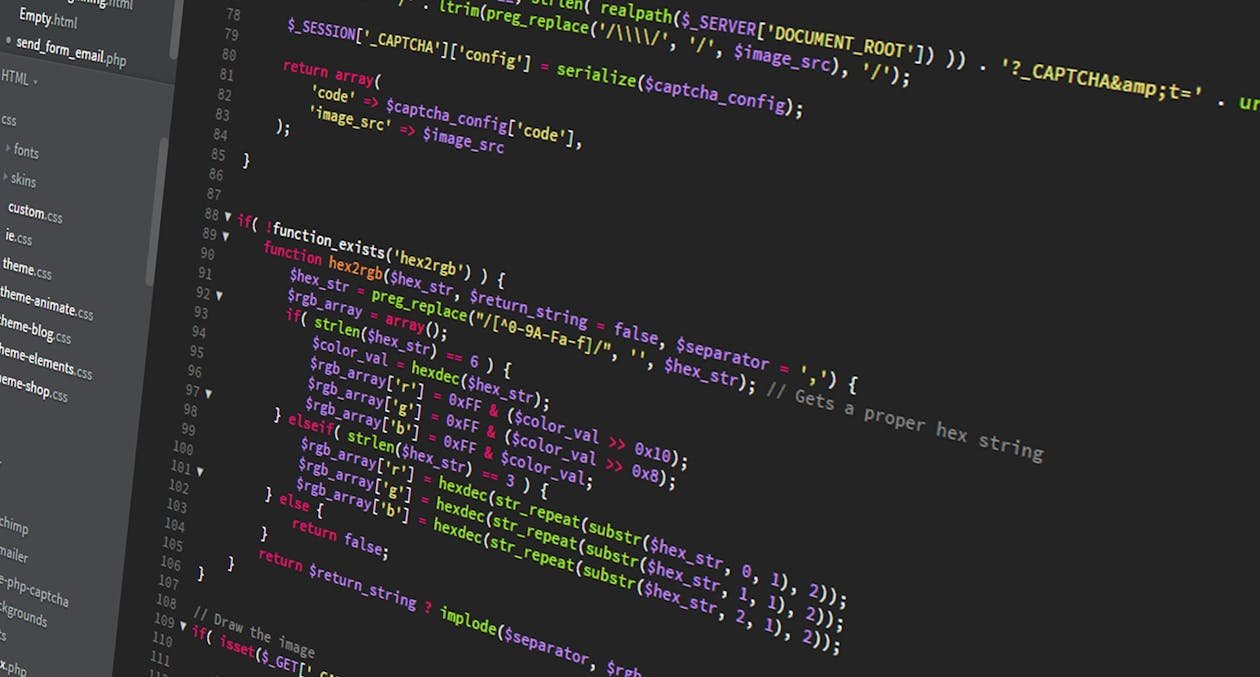
Treehouse has carved a specific niche in the crowded coding education market by focusing on making web development
and programming accessible to complete beginners. Unlike platforms that serve broad audiences from hobbyists to
advanced professionals, Treehouse concentrates on delivering structured, beginner-friendly learning experiences that
guide new coders from writing their first line of HTML through building functional web applications. The platform
combines video instruction with an integrated coding practice environment and career-focused learning tracks
designed to prepare learners for entry-level web development positions. This guide examines how Treehouse structures
its web development education, what distinguishes its approach, and how to evaluate whether the platform matches
your coding learning needs.
⚠️ Note: This article provides general information about online learning platforms for research
purposes. We are not teachers, course providers, or learning platforms. Always research platforms independently,
read terms of service, and verify all information before making educational decisions.
Understanding Treehouse’s Beginner-Focused Approach
Treehouse was founded with the explicit mission of making technology education affordable and accessible to people
without traditional computer science backgrounds. This mission shapes every aspect of the platform, from the pace at
which concepts are introduced to the tone of instruction and the design of practice exercises. Treehouse instructors
explain concepts assuming no prior programming knowledge, use everyday language rather than jargon, and build
understanding incrementally through carefully sequenced content. This approach creates a welcoming learning
environment for career changers, students from non-technical backgrounds, and anyone who has felt intimidated by the
complexity of programming.
The platform’s content is entirely curated by Treehouse’s internal team rather than open to outside contributors,
maintaining consistent production quality and pedagogical approach across all courses. This curated model results in
fewer total courses compared to open marketplace platforms, but the consistency of instruction quality, content
depth, and production standards makes navigating the library straightforward. Learners can trust that any course
they start will maintain the same level of clarity and beginner-friendliness that the platform promises, reducing
the trial-and-error process of finding quality content that plagues marketplace-model platforms.
Workspaces — Integrated Coding Environment
Treehouse Workspaces provides a browser-based coding environment where learners can write and test code without
installing any software on their computers. This integrated environment eliminates the setup challenges that
frequently derail beginners before they write their first line of code — installing text editors, configuring file
paths, setting up local servers, and troubleshooting environment-specific issues. Through Workspaces, learners can
immediately begin practicing alongside video instruction, reinforcing concepts through hands-on application. The
environment supports HTML, CSS, JavaScript, Python, and other languages covered in Treehouse courses, providing a
consistent practice tool throughout the learning journey.
Content Coverage and Learning Tracks
Treehouse organizes its content around web development technologies and adjacent fields, with structured tracks
guiding learners through comprehensive skill-building sequences.
Front-End Web Development
Front-end development courses cover the foundational technologies that create the visual and interactive elements of
websites. HTML courses teach page structure and semantic markup, CSS courses cover styling, layout systems including
Flexbox and CSS Grid, and responsive design for mobile devices. JavaScript courses progress from basic syntax and
DOM manipulation through modern ES6 features, asynchronous programming, and popular frameworks like React. The
progression from basic HTML pages through interactive JavaScript applications creates a complete front-end learning
journey that mirrors how professional front-end developers build their skills.
Back-End and Full-Stack Development
Back-end development courses teach server-side programming, database management, and API development. Python courses
cover the language fundamentals and web application development with frameworks like Flask and Django. JavaScript
courses extend to back-end development with Node.js and Express. Database courses cover both SQL databases and NoSQL
solutions. The combination of front-end and back-end courses enables learners to pursue full-stack development
knowledge, understanding how complete web applications work from the user interface through the server logic and
database layer.
- HTML and CSS: Page structure, styling, layout systems, and responsive design fundamentals
- JavaScript: Core language, DOM manipulation, asynchronous programming, and React framework
- Python: Language fundamentals, web development with Django and Flask
- Databases: SQL fundamentals, database design, and NoSQL concepts
- Development Tools: Git version control, command line usage, and development workflow
Additional Technology Topics
Beyond core web development, Treehouse offers courses in related areas including mobile development with Swift and
Kotlin, introductory Java programming, PHP web development, and foundational computer science concepts like
algorithms and data structures. Design-oriented courses cover user experience principles, web design fundamentals,
and visual design concepts relevant to developers who need basic design literacy. Business-focused courses address
digital marketing, entrepreneurship, and freelancing for developers. While these supplementary areas receive less
depth than the core web development tracks, they provide valuable context and adjacent skills for aspiring web
professionals.
The Techdegree Program
Treehouse’s Techdegree programs represent its most intensive and career-focused offering, providing structured
learning with project-based assessment and peer review.
Program Structure
Techdegree programs are comprehensive learning paths that combine Treehouse courses with twelve graded portfolio
projects, code reviews, and a final credential upon completion. Programs are available in areas like Front-End Web
Development, Full-Stack JavaScript, and Python Web Development. Each program spans several months of dedicated study
and produces a portfolio of completed projects demonstrating practical capability. The program structure provides
more accountability and direction than self-directed course selection, making it suitable for learners who benefit
from external structure and clear milestones.
Project-Based Assessment
Techdegree projects require learners to build functional applications and websites that demonstrate specific skill
sets. Each project is reviewed against detailed rubrics and must meet all requirements before the learner can
progress. Failed submissions receive specific feedback identifying what needs improvement, and learners revise and
resubmit until the project meets standards. This iterative review process ensures that portfolio projects represent
genuine demonstrated ability rather than minimum-passing-grade work. For career changers, the reviewed portfolio
provides tangible evidence of coding skills that self-reported course completions cannot match.
⚠️ Note: Professional certifications may support career development, but do not guarantee
employment or specific outcomes. Certification value varies by industry, employer, and individual circumstances.
Research employer expectations in your field before pursuing certifications.
Subscription Model and Pricing
⚠️ Note: Platform pricing, features, and course offerings change frequently. All information
should be verified directly with platforms before making decisions. Prices mentioned are examples for comparison
purposes only.
Subscription Tiers
Treehouse offers multiple subscription tiers providing different levels of access. Basic tiers typically provide
access to courses and Workspaces, while higher tiers may include access to Techdegree programs, additional practice
sessions, and bonus content. The subscription model means that learning intensity directly affects cost efficiency —
learners who study frequently and complete courses quickly get more value per dollar than those who study
sporadically. Evaluating which tier matches your intended usage and comparing the cost to alternatives helps ensure
you select the most cost-effective option for your specific learning plan.
Free Trial and Evaluation
Treehouse typically offers a free trial period that allows prospective subscribers to experience the platform’s
teaching style, production quality, and content depth before committing financially. Using this trial period
strategically — completing several lessons across different topics and experiencing the Workspaces environment —
provides enough information to make an informed subscription decision. Pay particular attention during the trial to
whether the instructional pace, explanation style, and content depth match your learning preferences, as these
factors determine whether Treehouse is the right fit regardless of what other features the platform offers.
Comparing Treehouse with Other Coding Education Options
Several platforms compete for beginning developers’ attention, each with different approaches to teaching
programming.
Treehouse vs. Codecademy
Both Treehouse and Codecademy target beginners learning to code, but they use different instructional methods.
Codecademy relies primarily on text-based instructions paired with interactive coding exercises, while Treehouse
combines video tutorials with coding practice. Learners who prefer watching demonstrations and explanations before
writing code may find Treehouse’s video approach more effective, while those who prefer reading instructions and
immediately practicing may prefer Codecademy’s text-based exercises. Both platforms create structured paths through
programming concepts with graduated difficulty, and the best choice often comes down to personal learning style
preference.
Treehouse vs. Coding Bootcamps
Coding bootcamps provide more intensive, time-compressed learning experiences with live instruction, group
collaboration, and structured schedules. Bootcamps typically cost significantly more than Treehouse subscriptions
but provide live instruction, career coaching, and cohort-based learning dynamics that self-paced platforms cannot
replicate. Treehouse offers more flexibility in pacing and scheduling at a lower cost point, while bootcamps provide
intensity and accountability that accelerate skill development for learners who can commit to full-time or intensive
part-time schedules. Some learners use Treehouse to build foundational skills before enrolling in a bootcamp,
reducing the learning curve during the intensive program.
Treehouse vs. Free Resources
Free resources like freeCodeCamp, MDN Web Docs, and YouTube tutorials provide substantial web development education
at no cost. The primary advantages of Treehouse over free alternatives are the curated, structured learning paths,
the consistent production quality, integrated Workspaces for immediate practice, and the Techdegree program for
those seeking reviewed portfolio projects. Free resources offer equivalent or greater breadth of content but require
more self-direction to create coherent learning paths from disparate sources. Learners with strong self-direction
skills may thrive with free resources, while those who benefit from structured guidance and consistent quality may
find the Treehouse subscription valuable.
- Content Structure: Treehouse provides curated paths; free resources require self-assembled learning plans
- Production Quality: Treehouse maintains consistent standards; free content varies widely in quality
- Cost: Treehouse requires subscription; freeCodeCamp, MDN, and YouTube channels are entirely free
- Projects and Review: Techdegree includes reviewed projects; free platforms offer practice without
professional feedback
Limitations and Honest Considerations
Understanding Treehouse’s limitations helps learners plan supplementary resources and set realistic expectations.
Limited Advanced Content
Treehouse’s beginner focus means that advanced developers will find the content ceiling relatively low. Once
learners complete intermediate-level courses and tracks, they will need to transition to platforms, documentation,
and resources that provide the advanced depth that professional development requires. Treehouse excels at getting
beginners started but does not serve as a long-term learning platform for developers who progress beyond
intermediate skills.
Smaller Content Library
The curated approach results in a significantly smaller content library than marketplace platforms. Learners seeking
courses on niche technologies, specific frameworks, or specialized topics may not find relevant content on
Treehouse. The platform covers mainstream web development technologies thoroughly but does not attempt to address
every tool or framework in the ecosystem.
Self-Paced Discipline Required
Like all self-paced learning platforms, Treehouse requires personal discipline to maintain consistent study habits.
Without instructor-led schedules, peer pressure from cohort mates, or external deadlines, some learners struggle to
maintain momentum through challenging content. The Techdegree program provides more structure and accountability,
but standard course subscriptions depend entirely on the learner’s self-motivation and time management skills.
Conclusion
Treehouse provides an exceptionally welcoming entry point into web development for learners without technical
backgrounds. Its combination of clear video instruction, integrated Workspaces for immediate practice, structured
learning tracks, and the career-focused Techdegree program creates a comprehensive beginner-to-intermediate learning
journey. Whether Treehouse fits your needs depends on your current skill level, learning style preferences, and how
much you value structured guidance versus self-directed exploration. Try the free trial to experience the teaching
approach, compare with alternatives like Codecademy and freeCodeCamp, and determine whether Treehouse’s
beginner-friendly, curated approach provides the foundation you need to launch your web development learning
journey.
What resources helped you most when you first started learning web development? Share your recommendations in
the comments — your experience helps other beginners find effective starting points for their coding education!